
1920–1945 Wheat Penny Value Chart – The Wheat Penny is one of the most well-known and popular coins in the US history of coinage that was minted in the period between 1920 and 1945. The U.S. Mint minted these coins in copper and are readily recognized by their traditional reverse image which consists of two stalks of wheat. The whole series is of great importance to the world of the collector and numismatics as each year of coins has a story of its own, is unique and has a value. That is the reason why the knowledge about Wheat Pennies of this time can make any collection of Pennies from a boring to a fantastic one.
In this paper, we will discuss the original design of Wheat Penny, the values of various years, rare coins, the grading system, and the historical context in detail, and thus, new and more experienced collectors will learn more about this nice and historically important series.
Table of Contents
The Classic Design and Uniqueness of the Wheat Penny
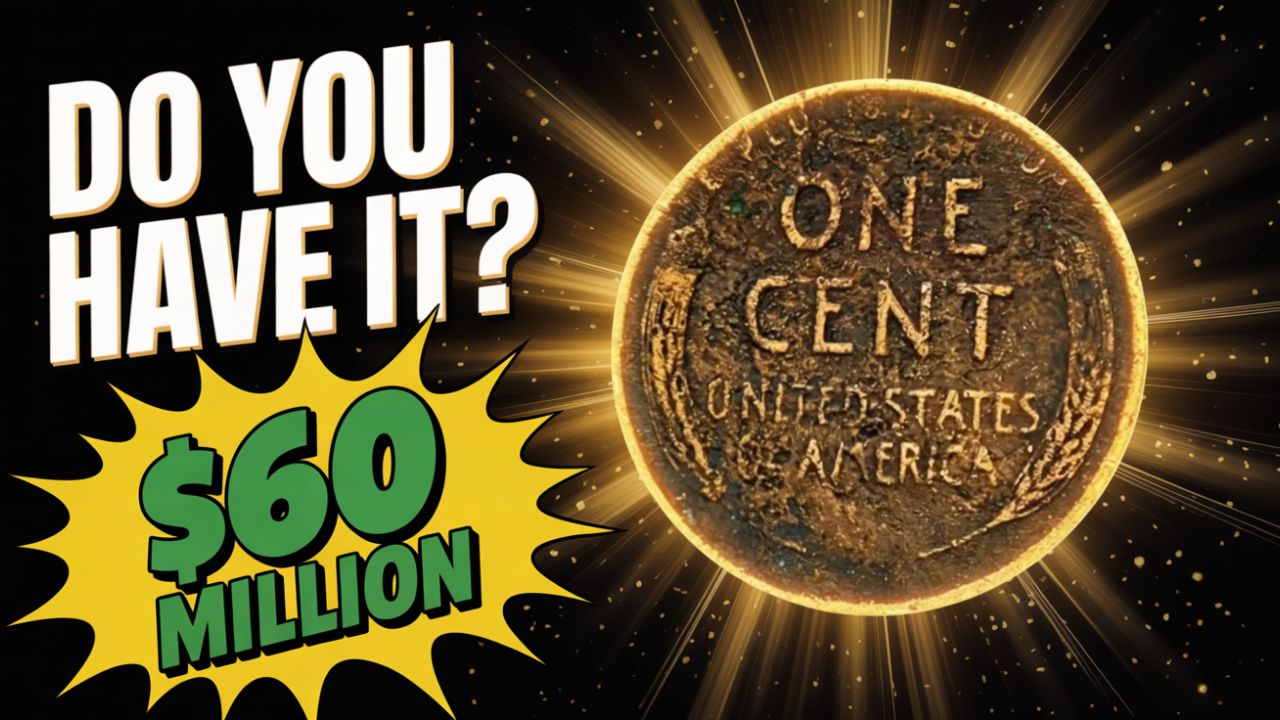
Wheat Pennies of 1909 through 1958 are all legendary because of the wheat stalks that are printed on the back side. Coins of the 19201945 era represent two significant events in the history of America recovery after the Second World War and World War II preparations. The majority of the coins being produced at this period were of high-quality copper, which then needed to be replaced later in war conditions.
Coins from the Philadelphia Mint have no mint mark, while those from Denver have a “D” and those from San Francisco have an “S.” These mint marks significantly increase the value of many coins, as the number of coins minted at certain mints in some years was very low.
Why Understanding Wheat Penny Grades is Important
The true value of any coin is determined by its grade. Two coins from the same year and the same mint can have vastly different values based on their grade. The grading system ranges from Poor to Mint State, with Poor grade coins having designs that are barely visible, while Mint State coins are brand new and show no wear.
As the coin’s wear decreases, its value increases. An AU or MS grade coin can be worth many times more than a coin of a lower grade. This is why collectors always closely examine the coin’s surface, edges, luster, and overall appeal. Good grading not only determines value but also indicates how well the coin has been preserved.
Year-by-Year Value of 1920–1945 Wheat Pennies
If a collector wants to understand the value range for this entire period, it’s useful to know that under normal circumstances, most Wheat Pennies are not very valuable, but coins from certain years can be extremely expensive due to their rarity and mint mark. For example, coins like the 1928-D, 1931-S, and 1932-D are considered quite valuable due to their low mintage numbers.
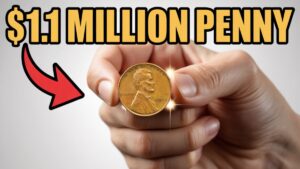
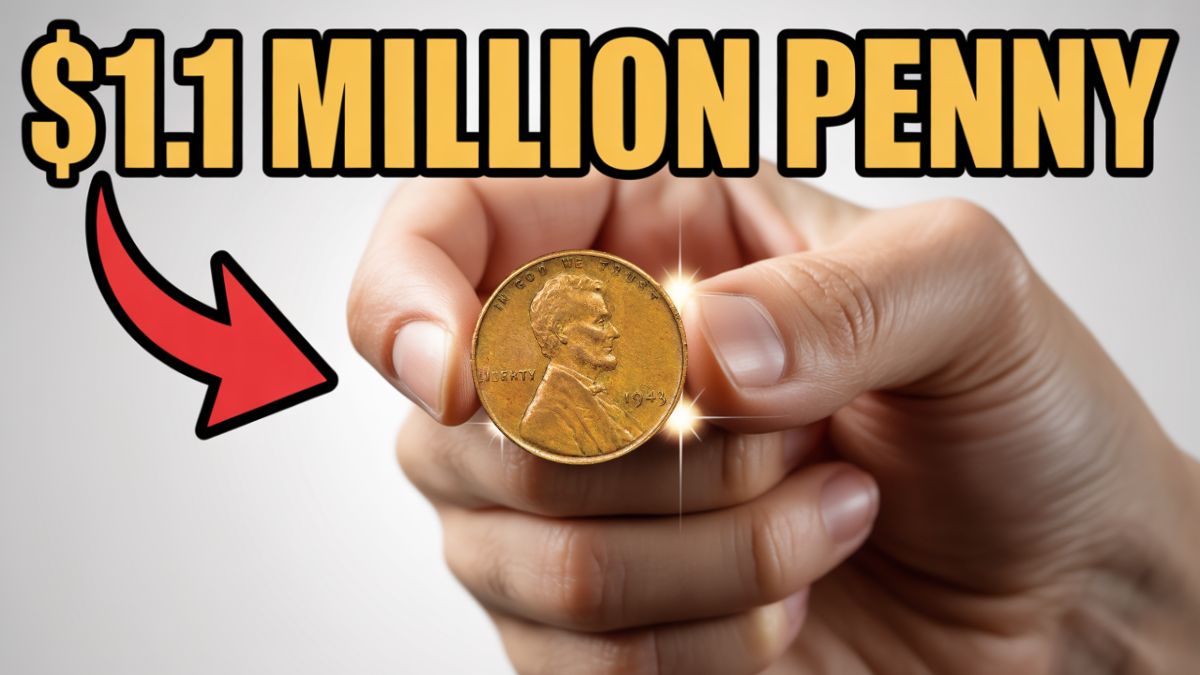
In the same way, the 1943 copper Wheat Penny is often referred to as the most valuable American coin of the world just like the 1943 copper Wheat Penny is, quite similarly, due to a mistake that led to a historically significant error. A year for steel pennies was what 1943 was supposed to be, yet some old copper planchets were inadvertently used, and this mistake later evolved into a rare treasure. Such coins sell for thousands of dollars at auctions.
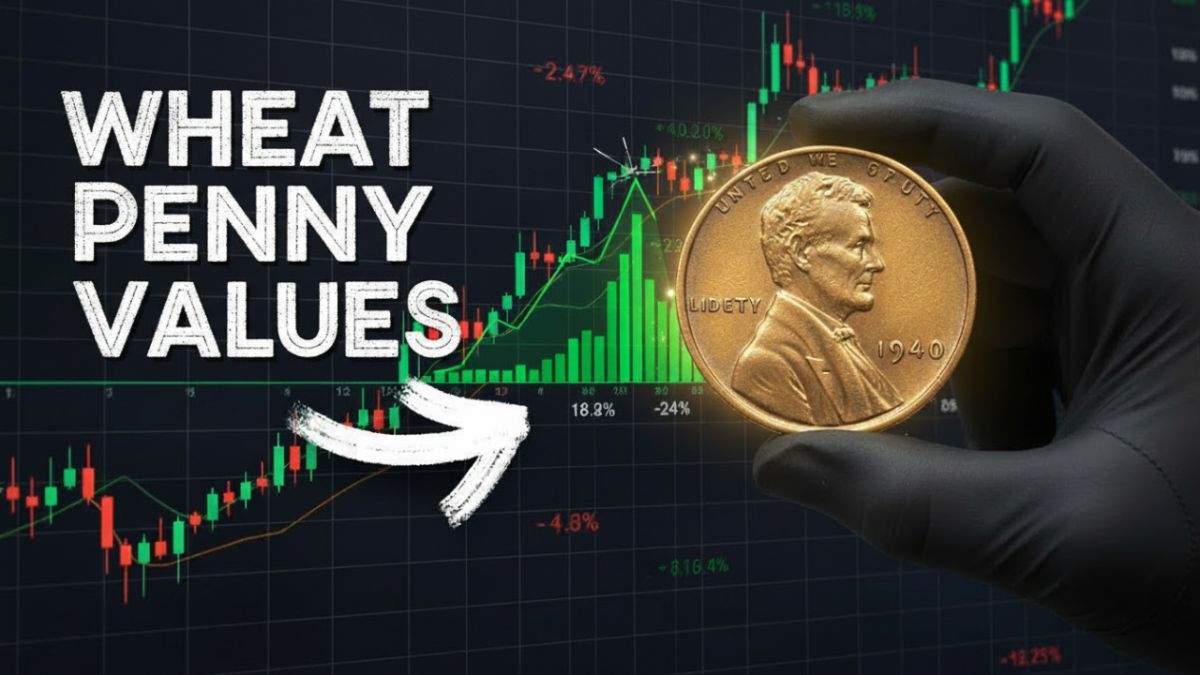
Definitely, prices change based on the condition and trading situations, but in general, common Wheat Pennies produced from 1920 to 1945 have a value that ranges from a few cents to a handful of dollars. Nevertheless, rarities such as the copper 1943 penny or the high-grade 1931-S issue can command prices going from hundreds to thousands of dollars.
Rare and Key-Date Wheat Pennies
Wheat Penny series Annual of Wheat Penny series feature “Key Dates” that coin collectors consider the most important. The 1921-D, 1928-D, and 1931-S are especially significant among these. The years when low issue numbers were the case or the number of coins that survived is so limited that these coins now have become very expensive, were the years in question.
Furthermore, examples like Double Die varieties, off-center strikes, weak dates, or planchet errors that are mentioned here can increase the value of a coin by a factor of several times. The 1943 copper penny is the one that most prominently feathers this list as it is one of the most widely recognized minting errors in the history of U.S. coin.
Helpful Tips for Collecting Wheat Pennies
Collecting Wheat Pennies is as exciting as it is demanding of research and caution. Identifying the year and mint requires a clear and visible mint mark. For beginners, it’s advisable to start by collecting circulated coins. Once you gain more understanding and experience, it’s better to invest in higher-grade or rarer coins.
Collectors must always ensure that their coins are kept in secure, moisture-proof, and acid-free cases to avoid any damage to the copper surface due to corrosion or tarnishing. As counterfeit coins become more and more numerous, it is advisable to trust in dealers who are known to be reliable, in auctions, or in certified grading agencies if you are dealing with rare dates or high-value coins.
The Historical Context Enhances the Significance of Wheat Pennies
Wheat Pennies are not only coins; they are a medium through which one can discover the past of the United States of America. The 1920s were the years when the economy was getting back on its feet after the war. The 1930s brought the Great Depression, which caused mintages to be very low in certain years. The 1940s were the years when the U.S.A. was getting ready for World War II. The war not only influenced the country but also the metals that the coins were made of. Copper was replaced by steel in 1943, and the Wheat Penny that was made in 1945 after the war became a symbol of the historical era.
Knowing the historical events that took place at that time makes people understand the importance of these coins. What you see is not just a coin when you are holding a 1931-S or a 1944-D in your hand, but it’s the evidence of the difficulties, economic changes, and social conditions of those times.
Conclusion
The Wheat Pennies coverage 1920-1945 are still the base of American numismatics. Whether you are a new collector or have been pursuing this hobby for years, this series continues to be a source of fascination due to its variety, rarities, and historical significance. Armed with the right information, a collector who is thoughtful in his choices, grades, and takes care of these coins can, in due time, turn his simple collection into one that is valuable and has a good name.
FAQs
Q. What is a Wheat Penny?
A. A Wheat Penny is a U.S. one-cent coin minted from 1909 to 1958 featuring wheat ears on the reverse.
Q. Why are 1920–1945 Wheat Pennies valuable?
A. They are valued for their historical significance, rare dates, mint errors, and copper composition.
Q. Which Wheat Penny is the rarest in this series?
A. The 1943 Copper Penny is the rarest and can be extremely valuable.