
Daylight Saving Time 2026: is quickly approaching — and with it comes the familiar routine of adjusting our clocks to match the changing light outside. On Sunday, November 1, 2026, Americans will “fall back” one hour, marking the end of Daylight Saving Time for the year. Whether you’re a parent planning your family’s schedule, a small business owner managing shifts, or a professional coordinating across time zones, understanding DST is more than just knowing when to reset your microwave clock — it impacts everything from productivity to health to policy. This article unpacks all you need to know, in a friendly and practical tone.
Table of Contents
Daylight Saving Time 2026
Daylight Saving Time 2026 ends on Sunday, November 1 at 2:00 a.m., when clocks fall back one hour. While the tradition of DST has its roots in energy conservation and wartime efficiency, today it affects everything from sleep to sales, school schedules to legislation. As debates continue about whether to end the practice altogether, for now, Americans must continue adjusting their clocks twice a year. By preparing ahead — adjusting sleep, syncing devices, and planning meetings — you can glide through the change with ease.
| Topic | Details |
|---|---|
| Clocks Fall Back | Sunday, November 1, 2026, at 2:00 a.m. local time |
| Spring Forward Date | Sunday, March 8, 2026, at 2:00 a.m. |
| Who Observes DST? | Most U.S. states (not Arizona or Hawaii), Canada, EU |
| Clocks Adjust | Fall: set clocks back 1 hour |
| Current Law | Governed by the Energy Policy Act of 2005 |
| Health Impact | Disrupted sleep, heart risk in spring |
| Official Resource | https://www.timeanddate.com |
What Is Daylight Saving Time (DST)?
Daylight Saving Time is a seasonal practice where clocks are adjusted forward in spring and back in fall. The main goal is to make better use of daylight during the longer days of summer, giving people more light in the evening hours and conserving energy.
The typical rule in the United States is:
- “Spring Forward” on the second Sunday in March
- “Fall Back” on the first Sunday in November
That means on November 1, 2026, at exactly 2:00 a.m., clocks will roll back to 1:00 a.m., giving most Americans an extra hour of sleep.
The Origins: A Brief History of Daylight Saving Time
Daylight Saving Time isn’t new. The idea was first floated by Benjamin Franklin in the 1700s as a way to conserve candles. It gained traction during World War I, when countries used it to save fuel for the war effort.
In the United States, DST became more widespread in the 20th century and was formalized by the Uniform Time Act of 1966. Later, the Energy Policy Act of 2005 extended DST from roughly six months to eight months, moving the start to March and the end to November.
Today, over 70 countries use DST, but not all observe it the same way — or even at all.
Where Is Daylight Saving Time Observed (and Not)?
In the United States
Most states follow DST, except for:
- Hawaii
- Most of Arizona
- U.S. territories like Puerto Rico, Guam, and the U.S. Virgin Islands
Globally
- United Kingdom and European Union: DST ends one week earlier than in the U.S. — on Sunday, October 25, 2026
- Australia: Observes DST, but opposite to U.S. (southern hemisphere)
- India, China, Japan: Do not observe DST
- South America: Only a few countries still follow DST
This variation can cause confusion, especially for international travel, cross-border business, and virtual meetings.
How DST Affects Health: What the Science Says
While the fall time change is less jarring than the spring, research shows that any shift in time can impact health.
- Heart Health: According to a study published in the New England Journal of Medicine, there’s a 24% spike in heart attacks in the days following the spring time change.
- Sleep Patterns: Even one hour of sleep loss or gain can disrupt your circadian rhythm, leading to fatigue, irritability, and reduced focus.
- Mental Health: A 2020 study from the University of Colorado Boulder linked DST to increased risk of depression, particularly in the spring.
- Car Accidents: The week after the clock change sees a rise in traffic accidents, as shown in research by the University of Colorado Boulder and the National Highway Traffic Safety Administration.
Who is most affected?
- Children and Teens: Their internal clocks are more sensitive to changes.
- Shift Workers: Nurses, police officers, and others working nights can experience higher fatigue.
- Elderly: Disruptions in routine can impact cognitive and physical health.
Business and Economic Impacts of DST
1. Productivity
Adjusting the clock can cause a temporary dip in workplace productivity. One study by Chmura Economics & Analytics found DST costs the U.S. economy $434 million annually in lost productivity during the spring change.
2. Retail Sales
Extended daylight in the evening encourages shopping, dining out, and tourism. Retailers generally support DST for its positive effect on consumer behavior.
3. Agriculture
Contrary to popular belief, farmers generally oppose DST, as it disrupts livestock routines and natural daylight patterns.
4. Aviation & Logistics
Flight schedules, especially international ones, need careful adjustment. Airlines follow Coordinated Universal Time (UTC) to avoid confusion.
Smart Technology and DST: What You Should Know
Most modern devices adjust for DST automatically, but some older appliances don’t.
Automatic Updates
- Smartphones (iOS and Android)
- Computers and tablets
- Smartwatches
- Digital clocks connected to the internet
- Smart thermostats and home hubs
Manual Adjustments Needed
- Microwaves and ovens
- Analog wall clocks
- Older vehicles
- Wristwatches without smart features
Tip: Enable automatic time zone updates in your phone’s settings and double-check time-sensitive apps like alarms, calendar appointments, and medication reminders.
School, Sleep, and Family Routines
Families, especially with young children, often feel the effects of DST more than anyone. Kids may wake up too early or struggle with bedtime in the days after the time change.
Strategies to ease the shift:
- Gradually adjust bedtimes by 15 minutes over several days before the clock change.
- Limit screen time before bed to improve sleep quality.
- Use blackout curtains to manage changing sunrise/sunset times.
For students, teachers, and school administrators, planning ahead for DST helps avoid groggy mornings and late arrivals.
Is DST Here to Stay? The Political Debate
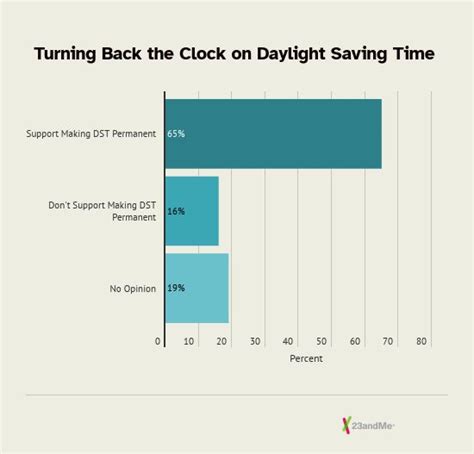
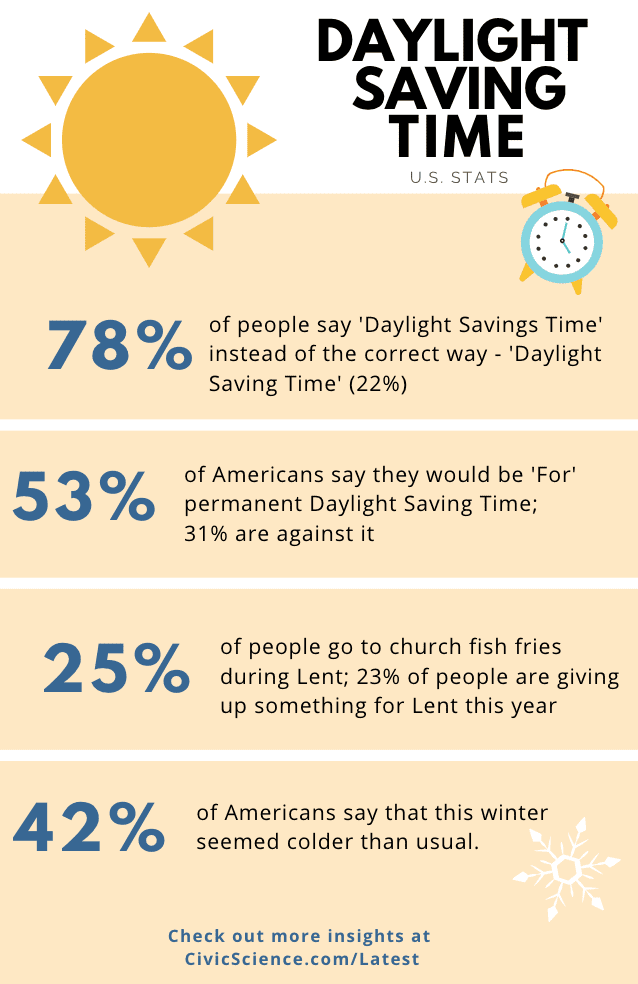
In recent years, several U.S. states have proposed or passed legislation to make DST permanent — eliminating the twice-yearly time shift.
The Sunshine Protection Act
- Passed by the U.S. Senate in 2022
- Aims to make Daylight Saving Time permanent nationwide
- Did not pass in the House of Representatives
If it had become law, Americans would no longer “fall back” — instead, DST would be the year-round standard.
Several states, including Florida, California, Washington, and Oregon, have passed state-level bills supporting permanent DST — but they require federal approval to take effect.
Supporters argue permanent DST would:
- Reduce health risks from clock changes
- Provide more evening daylight year-round
- Reduce crime and increase public safety
Critics say permanent DST would:
- Result in darker winter mornings, which can be dangerous for school kids and commuters
- Misalign body clocks with natural sunlight
For now, the current system remains in place.