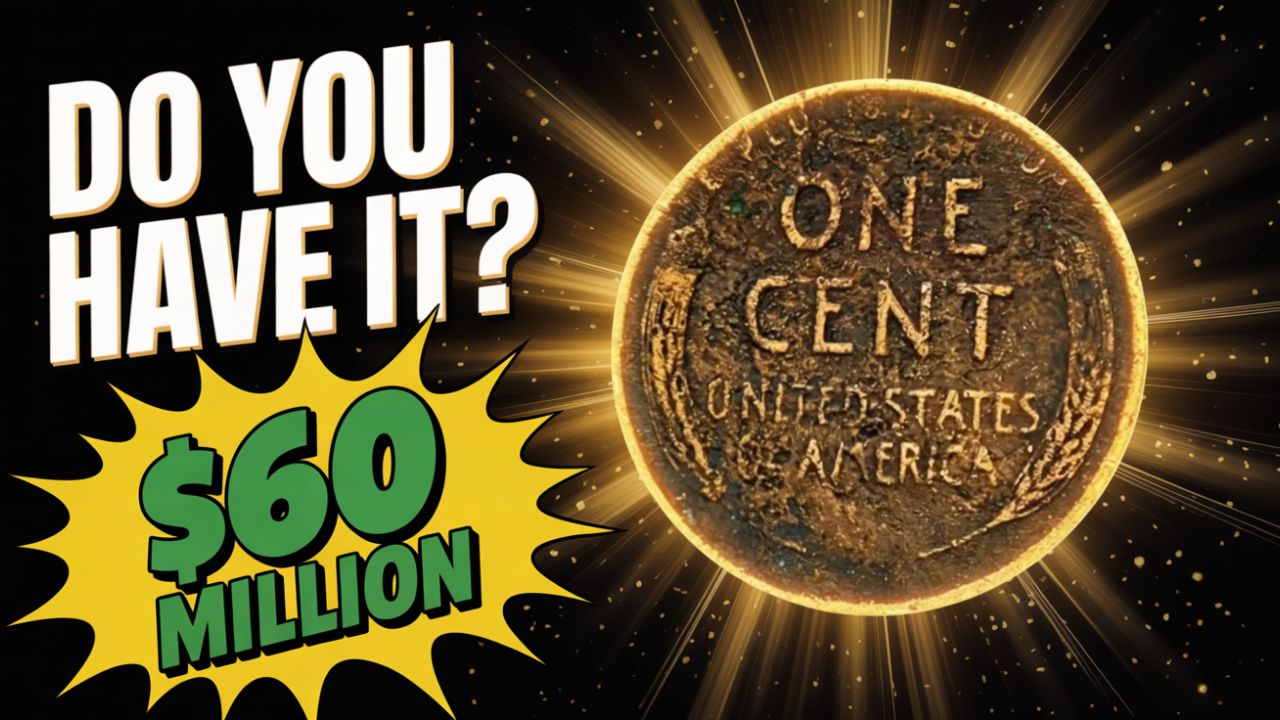

The world of American coins is full of unique and valuable items, but the Lincoln Wheat Penny holds a special place in history and significance. This small copper coin is not just an ordinary piece of change; it’s a crucial part of American history and numismatics (coin collecting). First issued in 1909, this coin remains a fascinating object for collectors today, with some rare versions fetching prices in the millions of dollars.
Table of Contents
History and Significance
The Lincoln Wheat Penny was issued in 1909 to commemorate the 100th anniversary of the birth of Abraham Lincoln, the 16th President of the United States. It was the first American coin to feature the image of a real person. The obverse of the coin depicted Lincoln’s portrait, while the reverse featured two stalks of wheat, symbolizing prosperity and growth.
The coin was designed by Victor David Brenner, whose initials “VDB” have become a significant mark in coin collecting. Initially, the coin was made of 95% copper and 5% tin and zinc. This design continued until 1958, after which the reverse design was changed to the Lincoln Memorial in 1959. However, the Wheat-back design remains highly popular among collectors due to its historical significance and rarity.
Lincoln Wheat Penny
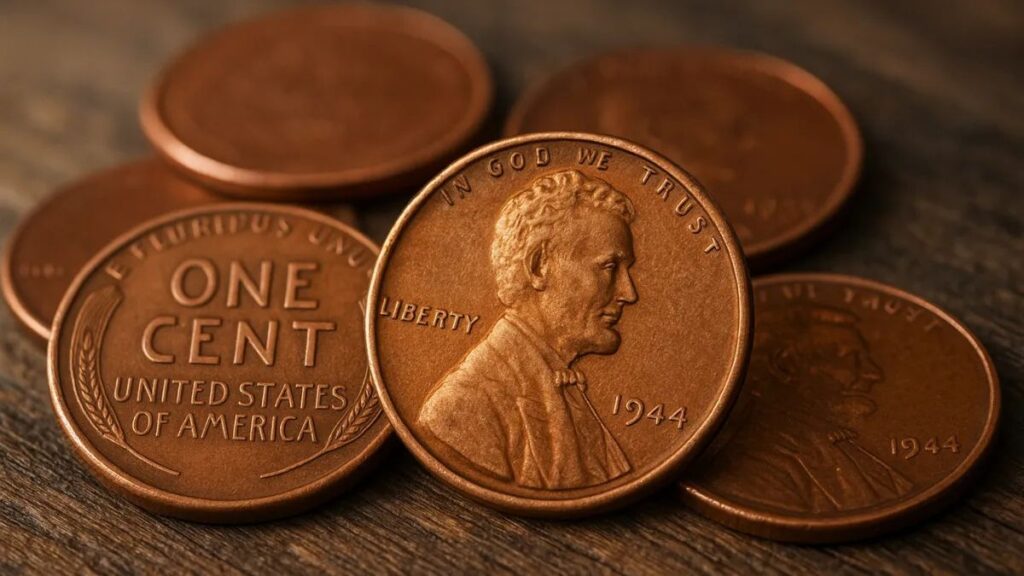
Most Lincoln Wheat pennies today are worth only a few cents or a few dollars. However, some rare versions have reached values in the millions.
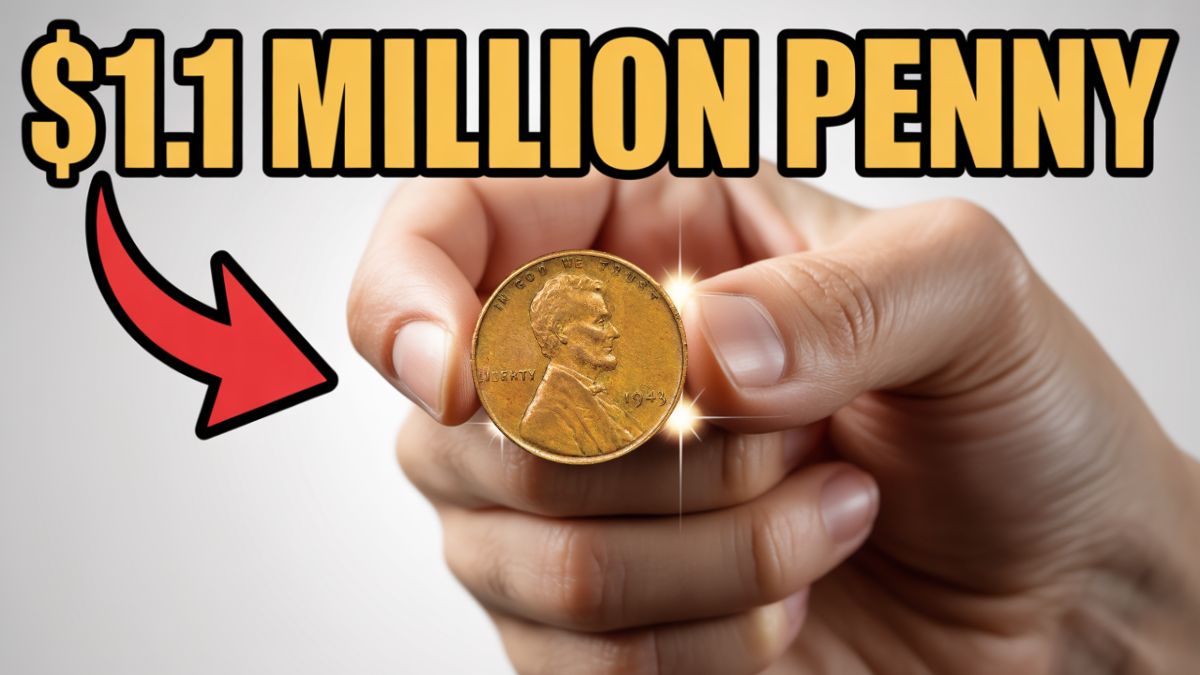
The most famous example is the 1943 copper penny. That year, to conserve copper during wartime, most pennies were made of steel. However, a few copper planchets were accidentally struck. These rare copper coins are now considered among the most valuable in American numismatic history, with some fetching prices as high as $1.1 million.
Another highly sought-after coin among collectors is the 1909-S VDB penny. It was produced in limited quantities, and its rarity, due to the removal of the VDB initials shortly after its initial minting, makes it extremely valuable.
Still Found in Circulation
The interesting fact is that the Lincoln Wheat Penny was officially discontinued in 1958, but it can still be found in circulation today. This is because it was produced in massive quantities, and many people kept it in drawers, jars, or wallets for decades.
This means your next great find could be hiding in your own loose change. This is always exciting for collectors, as there’s always the possibility of finding rare pennies in old houses or inherited coin collections.
How to Identify a Rare Lincoln Wheat Penny
If you want to know if your loose change contains a rare Lincoln Wheat Penny, pay attention to the following:
| Feature | What to Watch For |
|---|---|
| Mint Year | 1909-S VDB, 1914-D, 1922 (no D), 1943 Copper |
| Mint Mark | S (San Francisco), D (Denver), or none (Philadelphia) |
| Condition | Mint state or uncirculated coins are more valuable |
| Errors | Double dies, missing letters, off-center strikes |
Rare errors and misprints increase the value of the coin. Coins with clean, sharp details and minimal wear are considered the most valuable.
Future and Collector Significance
The Lincoln Wheat Penny is not just a collectible coin but also a piece of American history. The search for rare coins and the increasing prices make it continuously attractive to collectors.
Many coins are still in circulation today, so it’s important to pay attention to every penny. Whether you’re a new collector or managing a collection inherited from family, finding Lincoln Wheat Pennies can be both fun and profitable.
This small coin tells a big story. From the wheat design to the 1943 copper penny worth $1.1 million, the Lincoln Wheat Penny holds an invaluable place in American coin collecting. The next time you see a penny in your loose change, don’t take it lightly—it might be a piece of history.
FAQs
Q. What is a Lincoln Wheat Penny?
A. A one-cent coin minted from 1909 to 1958 featuring Abraham Lincoln on the front and wheat stalks on the back.
Q. Why is the 1943 copper penny so valuable?
A. Most 1943 pennies were made of steel due to WWII, but a few copper ones were accidentally minted, making them extremely rare.
Q. What does “VDB” mean on some pennies?
A. “VDB” are the initials of Victor David Brenner, the coin’s designer, found on early 1909 pennies.
Q. Are Lincoln Wheat Pennies still in circulation?
A. Yes, some still appear in change or in old collections despite being discontinued in 1958.
Q. How can I identify a valuable penny?
A. Look for rare mint years, mint marks (S, D, or none), errors, and coins in mint or uncirculated condition.